TYPOGRAPHIC-CRITICAL REFLECTIONS
Date
Category
Digital Marketing
THE CRITICAL GOBLET
QUete
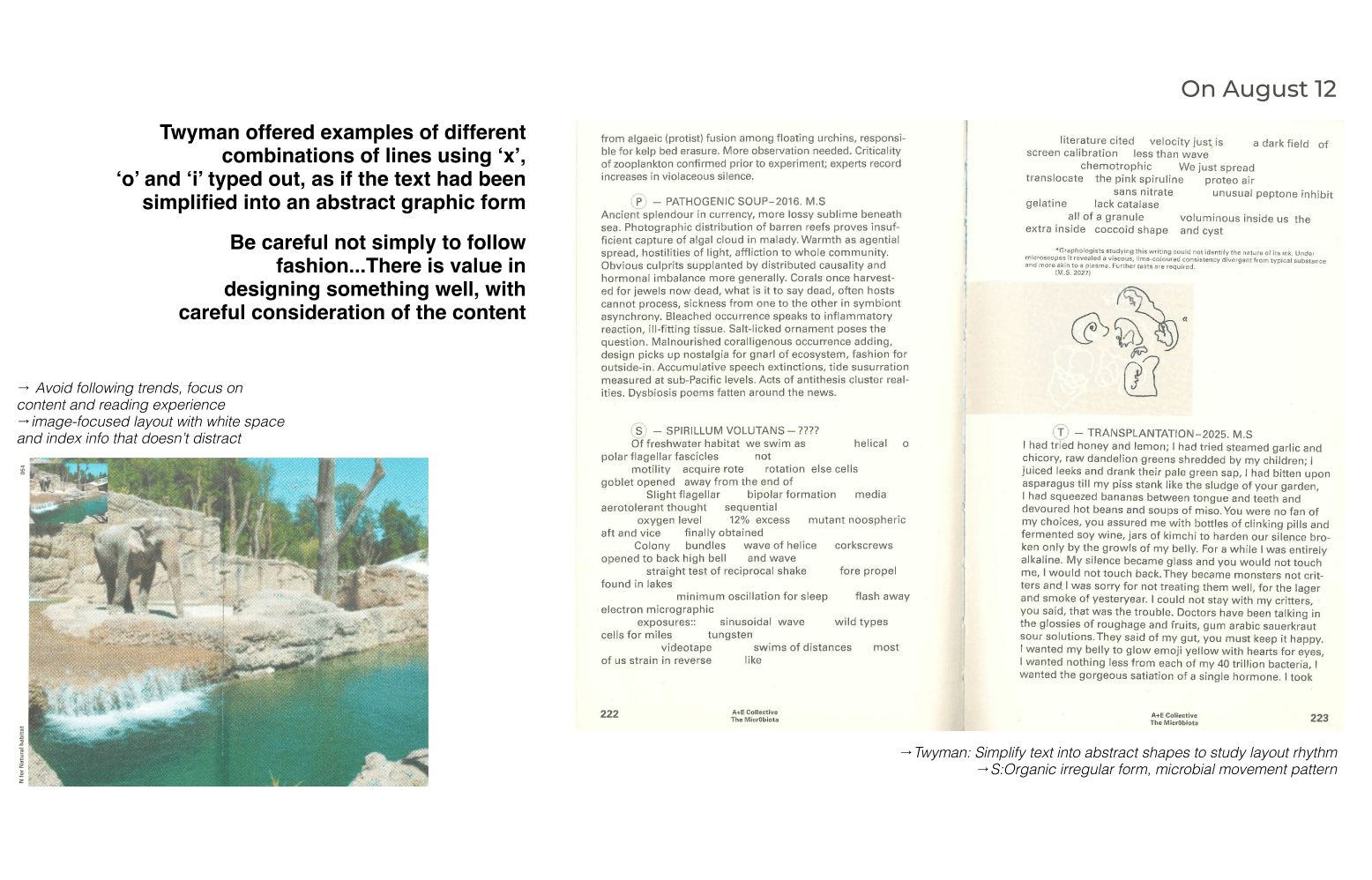
Haylock’s essay provides a framework for applying critical theory to typography. He proposes that typography of a book is a ‘touchstone’ and critical theory is a ‘waypoint’. Dissecting ethics becomes central to his ideas.
The author arrives at the conclusion that there is an ‘ethic of truth’ in typography. However, how might opacity as theory, praxis and in design be more daring than a commitment to truth?
‘the right to opacity’– Edward Glissant
BOOK EXAMPLE
“Andrew Howard adroitly recognises that '[t]his problem cannot be avoided simply by choosing between 'good' or 'bad' products, or between commercial and non-commercial work, since the nature of the problem is not just consumption but the ordering of our consciousness to become consumers in the first place'”
(Howard, in Haylock, 2013)
Questions
Can we apply an ethical framework to questions of aesthetics?
How does design as a discipline operate within a commercial and public sphere?
Is a designer an active participant in the communication of Authors’ Intent?
TYPOGRAPHY WITH WORDS
QUete
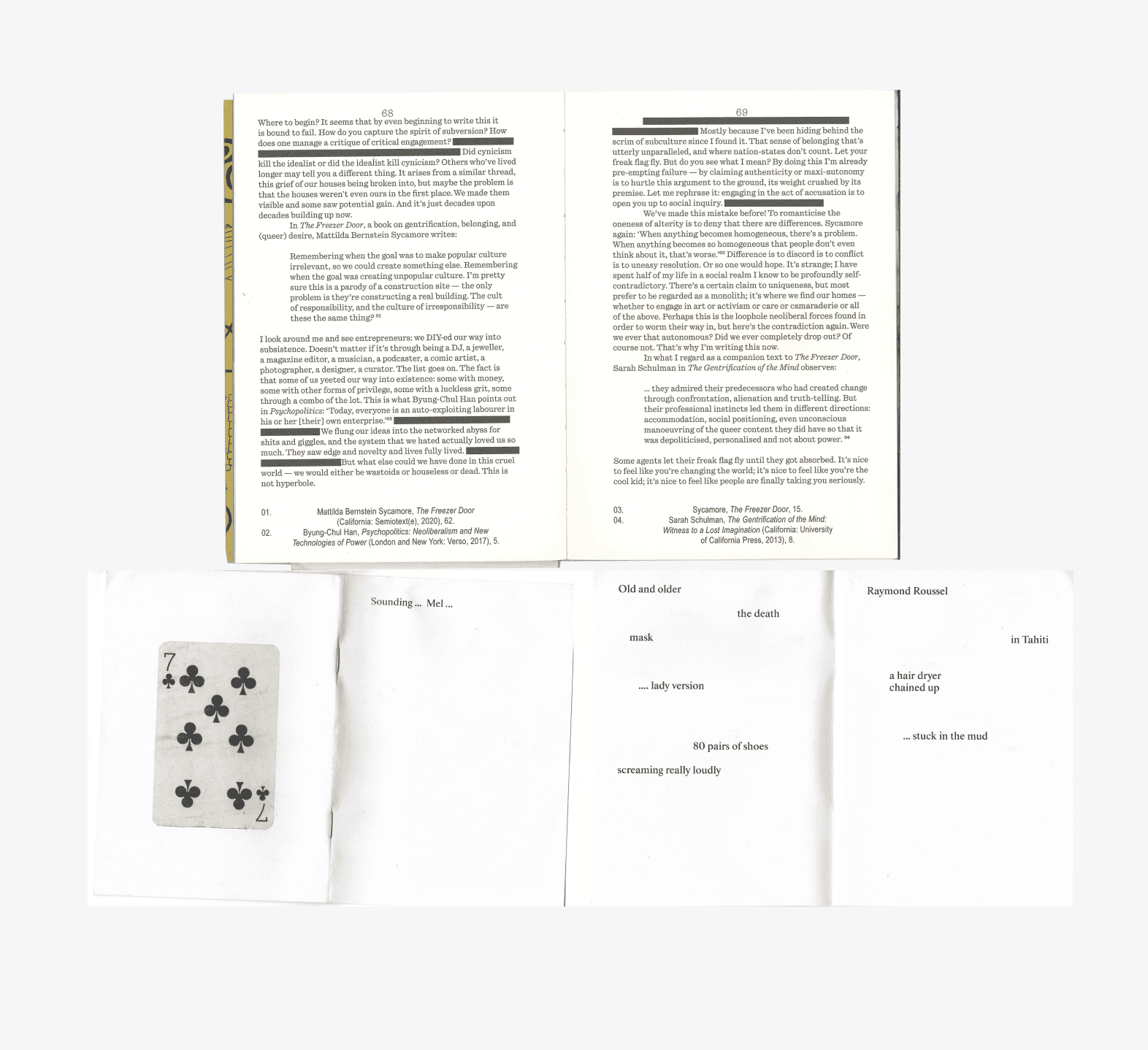
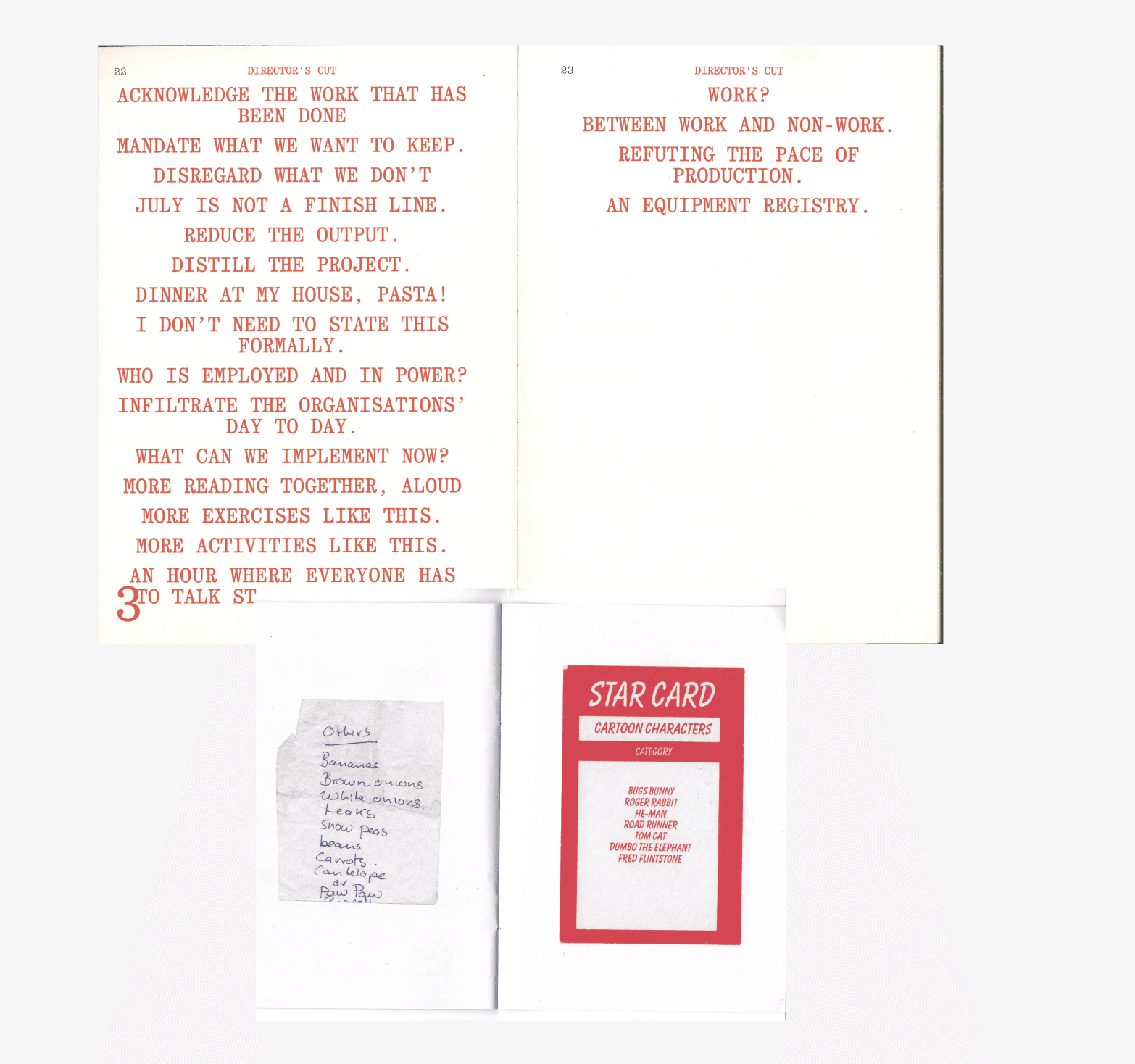
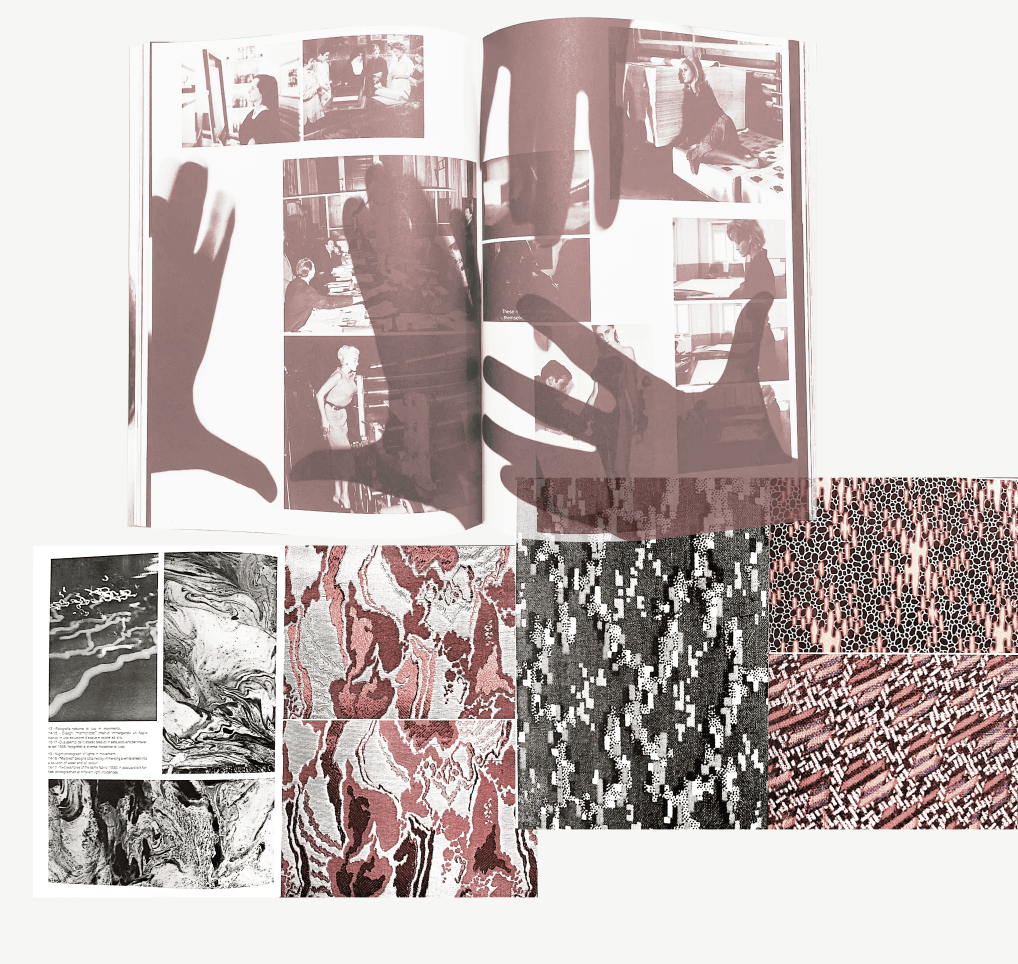
Julie’s work often avoids captions or explanatory text, letting image grids and layout speak for themselves. This challenges conventional hierarchy and invites typographic restraint.Julie critiques books that are “over-designed,” where excessive graphic decisions distract from the content. She values timeless, simple typography that supports not overshadows, but the message.
Julie “reads” images like text, considering their scale, placement, and relationship to other visuals. Typography must harmonize with this rhythm, not compete with it.Julie critiques publishers like Taschen for using multilingual layouts that dilute typographic clarity. She prefers monographs and artist-led books where typography is intentional and expressive.
Her magazine BILL uses no guiding text, relying on typographic absence to provoke interpretation. This is a radical editorial stance that redefines the role of type.She emphasizes how typography interacts with paper, size, and binding. The tactile experience of flipping pages and how type sits on different stocks is central to her design process.
BOOK EXAMPLE
“Andrew Howard adroitly recognises that '[t]his problem cannot be avoided simply by choosing between 'good' or 'bad' products, or between commercial and non-commercial work, since the nature of the problem is not just consumption but the ordering of our consciousness to become consumers in the first place'”
(Howard, in Haylock, 2013)
Questions
Can we apply an ethical framework to questions of aesthetics?
How does design as a discipline operate within a commercial and public sphere?
Is a designer an active participant in the communication of Authors’ Intent?

COMIC SANS: THE “FUN TIMES”
QUete
Created in 1994 by Vincent Connare for Microsoft Bob. Intended to be casual, friendly, and approachable.
Inspired by comic book lettering. Nicknamed by Paige Shelton as a “fun-times font”
Appeared in inappropriate contexts: legal, medical, official documents. Sparked strong negative reactions from designers & the public.
Comic Sans Criminal website created for reporting “design misuse”. Became a meme and cultural punchline.
As startups evolve, the brand system acts as a foundation that supports innovation while preserving recognition and trust. This long-term consistency increases brand value, improves customer loyalty, and strengthens competitive positioning in saturated markets.
BOOK EXAMPLE
Connare’s humorous take-
“If you love Comic Sans you don’t know much about typography. If you hate Comic Sans, you need a new hobby.”
Comic Sans as a visual Rorschach:
Professionalism vs informality
Taste & design elitism
Appropriateness in communication
Represents aesthetic gatekeeping in design culture
Comic Sans is not just a font —
It’s a case study in how design choices carry cultural meaning and spark debate.