DESIGN BEYOND HUMANS
Date
Category
Product Design
UNDERSTANDING
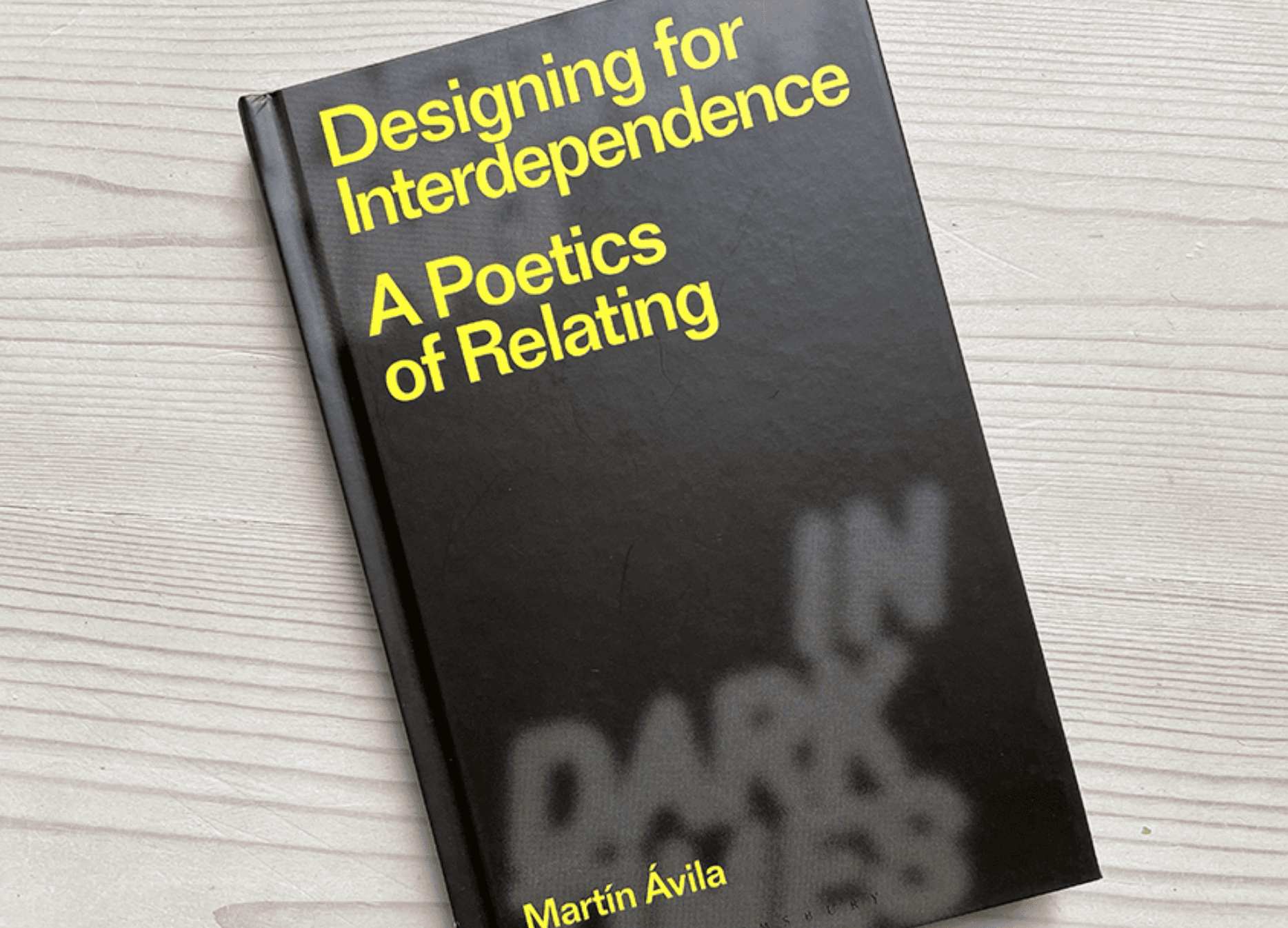
Avila, M. Design-ing for Interdependence, Introduc-tion:Bio-centric?
Contemporary design is often oriented toward satisfying human consumption, emphasizing usability, aesthetics, and commercial appeal. While this approach effectively responds to human needs, it often neglects the natural world and perpetuates the divide between human and non-human life.
In most cases, nature is treated as a backdrop or resource rather than an active participant in the design system. In response, Weber and Martín Avila proposed the concept of "design in service of life," emphasizing that design should benefit al life forms, not just humans. They advocate a shift from anthropocentric thinking to an under- standing based on interdependence. This philosophy encourages us to view humans, animals, plants, and insects as interconnected parts of a larger ecosystem, enabling design to foster cooperation and coexistence rather than domination and exploitation. In his book,
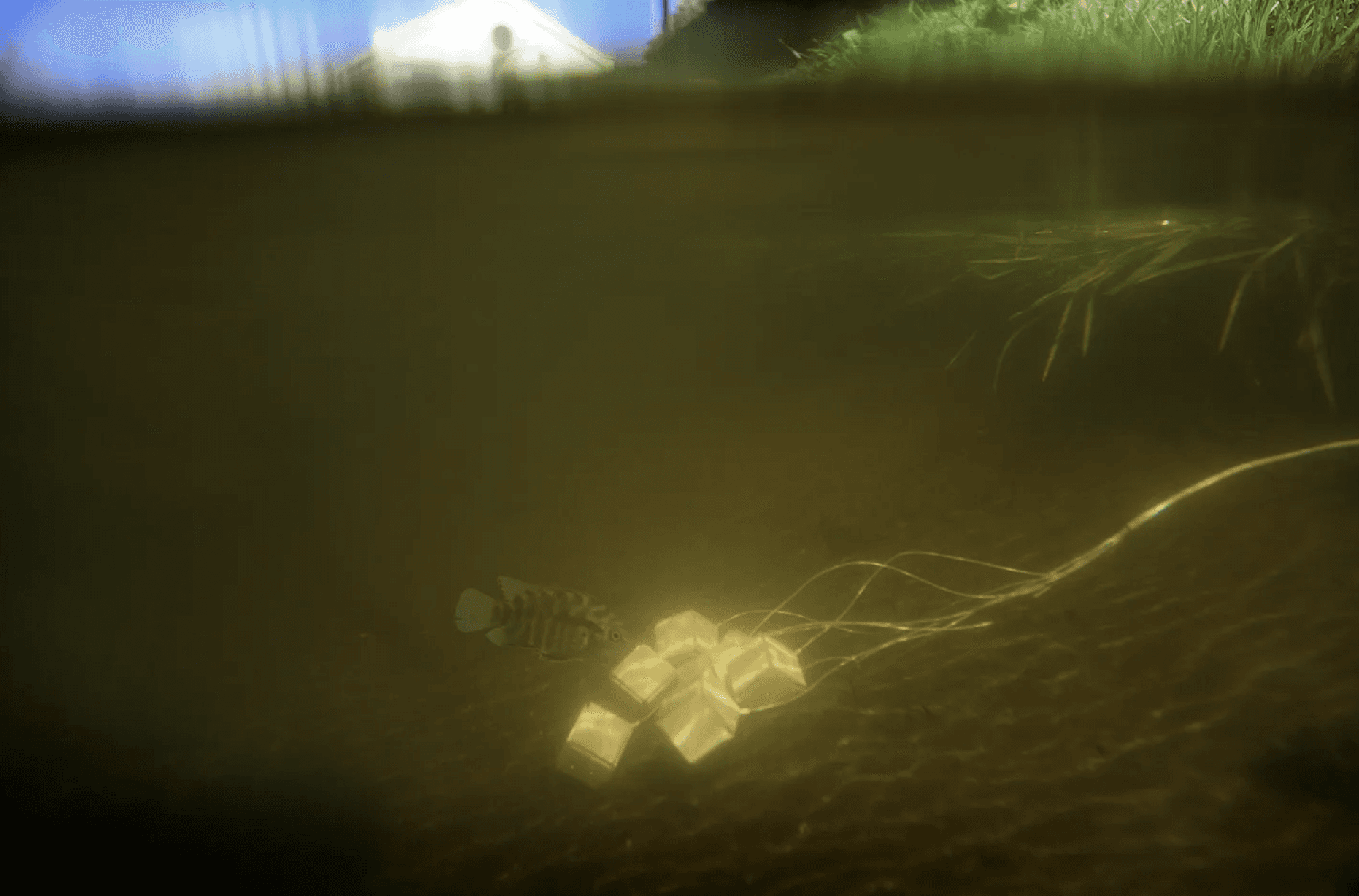
Avila introduces the concept of "alter-natives," referring to artifacts with an "otherness" that not only serve human needs but also play a positive role in ecological networks, such as providing habitat or resources for other species. He further proposed the "poetics of relating," arguing that design should go beyond the mere combination of function and form, but rather be a practice of establishing and maintaining multispecies relation-ships. This approach breaks down binary oppositions such as natural/artificial and beneficial/harmful, acknowledging that design can be both constructive and destructive, requiring a balance between care and responsibility
REFLECTION
Simplifying Visual Hierarchy
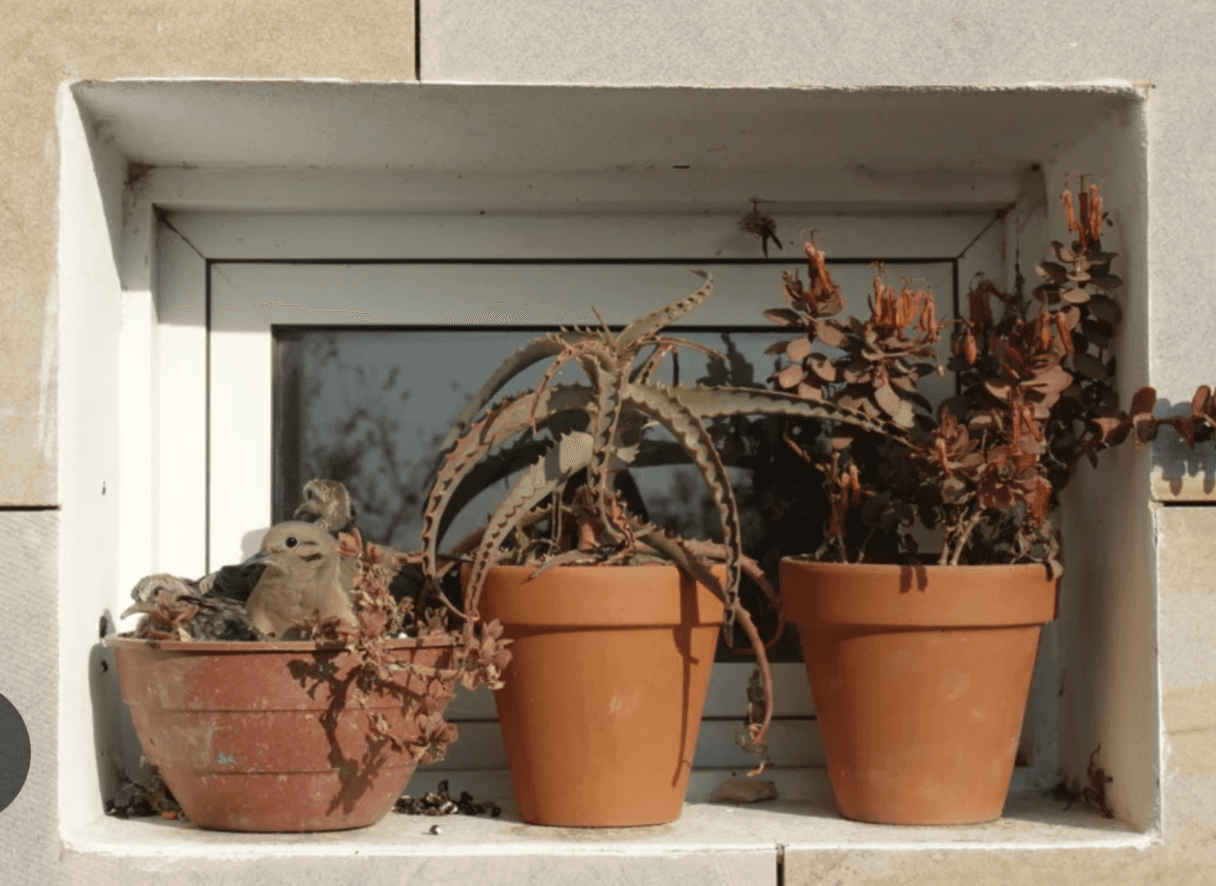
I recently read a series of articles about "Design for Life," which gave me a new perspective on design. I used to think design was simply about making it convenient and aestheticaly pleasing, but this article taught me that design can do so much more. There's a particularly interesting example in the article: a flowerpot meant for people to grow flowers, but a pigeon uses it as a nest. This made me realize that the things we design aren't just for humans. Birds, insects, and plants al share the world with us and "use" our designs in their own ways.
Many designs today are too human-centric. For example, when we build buildings, we only consider human comfort, without considering whether they might block birds' flight paths. When we create products, we only consider human convenience, without worrying about whether they harm smal animals after disposal. The article's idea of "Design for Al Life" is particularly valuable; it means considering other living things when design- ing.Consistent Interaction Patterns
Consistency in design patterns — buttons, icons, modals, and form flows — ensures users don’t have to relearn interactions at every step. Repetition builds familiarity, allowing users to navigate confidently even when engaging with advanced features. Predictable interaction patterns are especially important in products with multiple workflows or nested functions.
INSIGHTS
Applying “Design for Life” in UI/UX
In UI/UX design, this idea can be expanded beyond individual users to consider the wider social and ecological context. For example, digital products influence behavior at scale—how people consume information, interact with technology, and even how resources are used. Designers therefore have a responsibility not only to optimize user experience, but also to consider the long-term impact of their design decisions.
Applying this perspective to UI/UX means asking broader questions during the design process:
Who benefits from this design, and who might be affected indirectly?
Does this product encourage sustainable or responsible behavior?
How can design support healthier relationships between people, technology, and the environment?
Instead of focusing solely on efficiency and engagement metrics, designers can aim to create systems that support more responsible and balanced interactions. In this sense, design becomes not just a tool for usability, but a medium for shaping more thoughtful relationships between humans, technology, and the world around them.